

CUB SCOUTS
- PACK 454 -
We provide ready-made opportunities for your family to do fun things together—because together—we can all grow into our very best future selves!
Welcome to McMinnville, Oregon's
Cub Scouts Pack 454
Boys and Girls from Kindergarten to 5th grade and their families are welcome to join
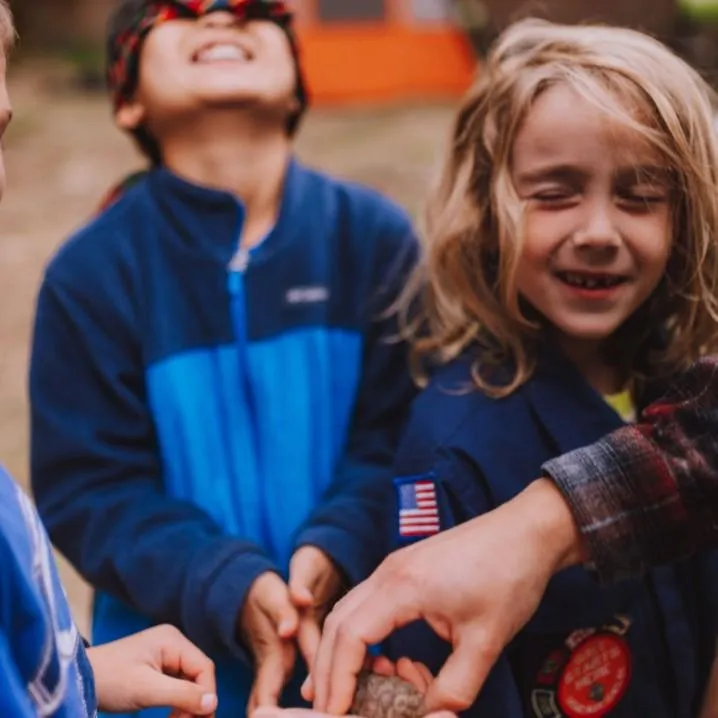
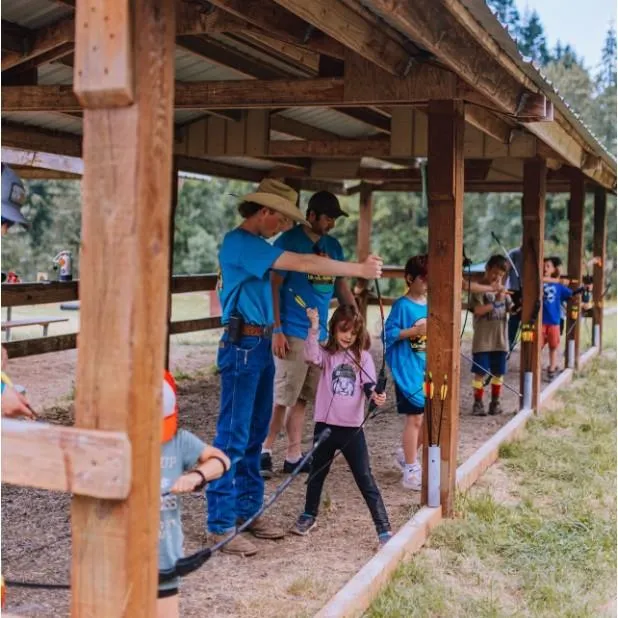
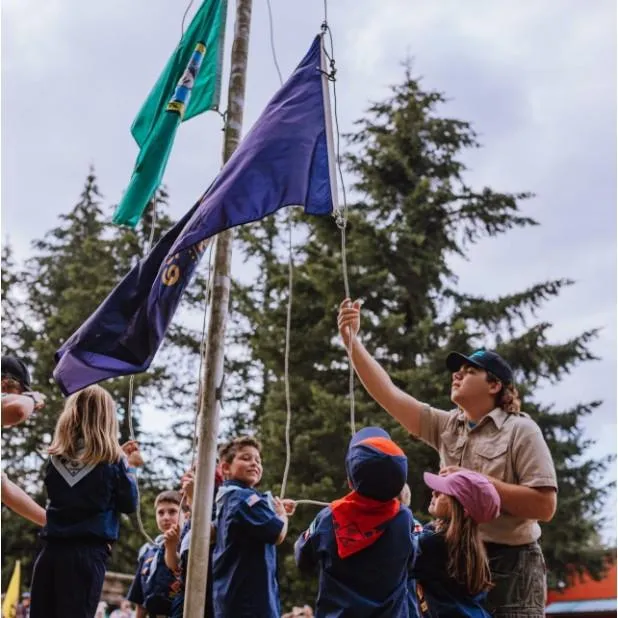
Since its beginning, the Cub Scout program has been a fun and educational experience concerned with values. Besides providing a positive place where children can enjoy safe, wholesome activities, Cub Scouting focuses on building character, improving physical fitness, teaching practical skills, and developing a spirit of community service.
Our Cub Scout Pack 454 meets every Monday 6pm at the First Baptist Church, 125 SE Cowls St, McMinnville, OR 97128 except when there are planned outings. We encourage any family interested from McMinnville or the surrounding area to come check us out at no initial cost or obligation to join.
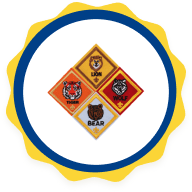
CUB SCOUT GRADE LEVEL PROGRAM
Cub Scout activities are centered around earning badges that are specific to each grade level. Learn more about the Cub Scout Advancement Trail.

CUB SCOUT
ADVENTURES
Cub Scouts earn fun adventures that are specific to their grade. Completion of adventures is how the aims of character, citizenship, leadership, and personal fitness are developed.

OTHER
RECOGNITION
Cub Scouts can earn other awards in addition to their badge of rank. Check out the awards your child can earn.
ADULT
RECOGNITION
There are various awards for those who serve as Cub Scout leaders. Some have specific requirements, while others are awarded to recognize a leader's exceptional service.
Welcome to Cub Scouting
Parent Resources
Parent involvement is an integral part of the Cub Scout Program. Discover new parent resources below
Learn How to Volunteer
Cub Scouting is fun for the whole family. Getting everyone involved makes the experience more meaningful for your Cub Scout. There is a place for every parent, legal guardian, or other caring adults who want to help. Often the challenge is not knowing how to help. Below are some helpful steps in how you can volunteer.
Not Everyone Wears a Uniform
In Cub Scouting there are so many opportunities to volunteer. You want to get involved, but you’re not sure where to start. Here is a step-by-step guide to get you started. Remember not every volunteer in Cub Scouting wears a uniform. Everyone has different skills and ways they can contribute to make the Cub Scouting experience meaningful. No matter how you want to get involved, thank you for making the first move to volunteer with Cub Scouts.
Helping
Being helpful is part of the Scout Law, a value we seek to instill in everyone. The best way to help is not to wait until someone asks, but by providing assistance when you know someone needs it.
When offering to help consider the following:
What things are you good at?
What do you enjoy doing?
What hobbies or skills do enjoy?
If you have not already been asked, you should complete the Family Talent Survey. This one page survey is given to a leader in your pack so they know what resources are available.
Any leader or volunteer in your pack can tell you how you can help the group. If you help by doing something you are good at you will find it rewarding and may lead you to becoming a volunteer.
Volunteering
Volunteering is another way you can get involved. Being a volunteer in Scouting America means you have registered as an adult and have gone through an approval process.
Registering as an adult in your Pack lets others know that you are willing to go beyond just helping others but willing to take on responsibilities in the Pack. To serve in a volunteer position in Scouting requires an adult to register with Scouting America.
1. Complete an adult application, either hard copy or on-line.
2. Complete Youth Protection Training.
3. The pack committee chair and chartered organization reviews and approves the application.
Not all volunteers work directly with youth. Many serve in positions that support those who do.
Leading
Being a leader means you are a registered volunteer that takes on a personal commitment to ensure that Scouting is being delivered in a safe manner, the way it was designed, and in a way that makes it meaningful to everyone involved.
Leaders take training for the position that they are in and continue training beyond position specific training, like Basic Adult Leader Outdoor Orientation (BALOO) or Wood Badge. They attend local training events where other leaders share best methods.
Being a leader means you care about the Cub Scouting program beyond your current position. You want to see it strengthen and grow long after you and your Cub Scout have moved beyond the pack.
Leaders in Scouting find it to be the most rewarding way to spend their time and share their talents.
Become a Cub Scout Leader
All adult leaders are first required to take Youth Protection Training. When that is completed, training for each position in Cub Scouting is available on-line. There are additional training courses available in your local area. Visit www.scouting.org/training/ for more details.
Three Steps to Becoming a Trained Leader
STEP ONE: SET UP A MY.SCOUTING ACCOUNT
Visit My.Scouting.org and create an account. Once you have an account you can access online training.
STEP TWO: TAKE YOUTH PROTECTION TRAINING
Scouting America places the greatest importance on creating the most secure environment possible for our youth members. BSA Youth Protection
STEP THREE: POSITION SPECIFIC TRAINING
Scouting America’s Learning Center is at My.Scouting.org. Select your position and a learning plan will be created for you. The plan includes modules that are designed to allow you to complete them at your own pace.
Position Training
Leaders who complete Youth Protection Training and Position Specific Training earn the right to wear the trained patch on the left sleeve of their uniform, beneath the patch representing the position for which they are trained. LINK
Additional Training
Basic Adult Leader Outdoor Orientation – BALOO
This one-and-a-half day course is designed as an introduction to the Cub Scout outdoor program for leaders interested in adding a camping component to their Pack activities. BALOO training consists of an online pre-requisite component in addition to an overnight outdoor camping experience. Completion of this course is mandatory for a MINIMUM OF ONE adult on a Pack overnighter.
Wood Badge
Wood Badge is known as the premier training course in Scouting America. Offered by a local council, it is held over a period of a week or two full weekends. It includes an outdoor camping experience.
Those who complete Wood Badge are presented iconic wooden beads as a symbol of their commitment to provide a quality Scouting program.
Continual Training
Roundtable
Once a month Scouting volunteers in a local community come together to provide information about local Scouting events, activities, and programs. Roundtables play a significant role in providing continuous supplemental training for unit leaders. This monthly event provides program topic guidance and structure suggestions for unit leaders.
A fun environment creates excitement around the coming month of activities and program for unit leaders to carry back for implementation in their units.
As an alternative or in addition to in-person Roundtables you can participate in virtual Roundtables. Resources for virtual Roundtables can be found by clicking here.
University of Scouting / Pow Wow
These two opportunities may be available through your local council. Typically these are a series of courses that take place one day.
Often these provide the opportunity to take several sessions on various topics that help you provide a great program.
Read The New Family Information Guide / Lea la Guía de Información: Nueva Familia
Cub Scout Uniforms
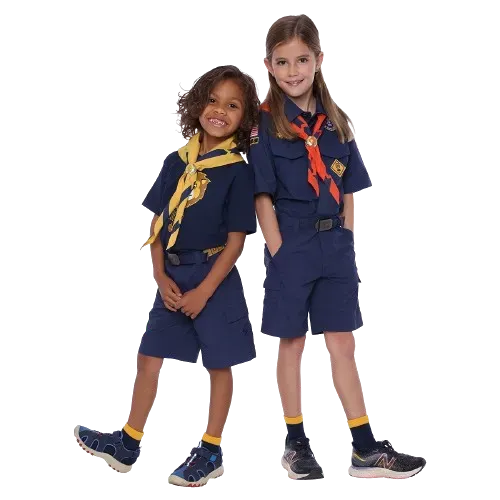
Everything you need to know about uniforms!
The Cub Scout uniform differs based on grade level. Check out our uniform requirements and learn how to order uniforms!
Leader Resources
Leaders help make the Cub Scout Program successful! Find the resources you need below
Become a Cub Scout Leader
All adult leaders are first required to take Youth Protection Training. When that is completed, training for each position in Cub Scouting is available on-line. There are additional training courses available in your local area. Visit www.scouting.org/training/ for more details.
Three Steps to Becoming a Trained Leader
STEP ONE: SET UP A MY.SCOUTING ACCOUNT
Visit My.Scouting.org and create an account. Once you have an account you can access online training.
STEP TWO: TAKE YOUTH PROTECTION TRAINING
Scouting America places the greatest importance on creating the most secure environment possible for our youth members. BSA Youth Protection
STEP THREE: POSITION SPECIFIC TRAINING
Scouting America’s Learning Center is at My.Scouting.org. Select your position and a learning plan will be created for you. The plan includes modules that are designed to allow you to complete them at your own pace.
Position Training
Leaders who complete Youth Protection Training and Position Specific Training earn the right to wear the trained patch on the left sleeve of their uniform, beneath the patch representing the position for which they are trained. LINK
Additional Training
Basic Adult Leader Outdoor Orientation – BALOO
This one-and-a-half day course is designed as an introduction to the Cub Scout outdoor program for leaders interested in adding a camping component to their Pack activities. BALOO training consists of an online pre-requisite component in addition to an overnight outdoor camping experience. Completion of this course is mandatory for a MINIMUM OF ONE adult on a Pack overnighter.
Wood Badge is known as the premier training course in Scouting America. Offered by a local council, it is held over a period of a week or two full weekends. It includes an outdoor camping experience.
Those who complete Wood Badge are presented iconic wooden beads as a symbol of their commitment to provide a quality Scouting program.
Continual Training
Roundtable
Once a month Scouting volunteers in a local community come together to provide information about local Scouting events, activities, and programs. Roundtables play a significant role in providing continuous supplemental training for unit leaders. This monthly event provides program topic guidance and structure suggestions for unit leaders.
A fun environment creates excitement around the coming month of activities and program for unit leaders to carry back for implementation in their units.
As an alternative or in addition to in-person Roundtables you can participate in virtual Roundtables. Resources for virtual Roundtables can be found by clicking here.
University of Scouting / Pow Wow
These two opportunities may be available through your local council. Typically these are a series of courses that take place one day.
Often these provide the opportunity to take several sessions on various topics that help you provide a great program.

Adult Leader Uniforms
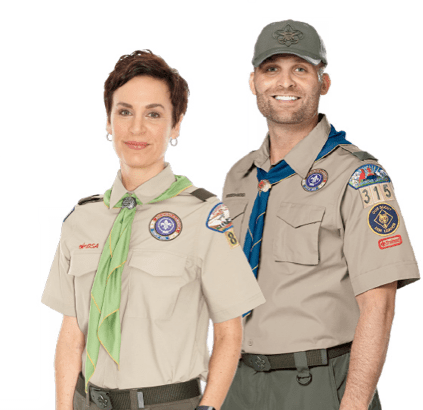
Get the gear you need to lead your Cub Scouts!
The adult leader uniform differs based on level of involvement. Check out our uniform requirements and learn how to order uniforms!
Questions about the program?
Learn more about Cub Scouts!
Child Protection
Youth protection is a fundamental and critical aspect of Cub Scouts and all Scouting programs in the Boy Scouts of America (BSA). The BSA places a strong emphasis on creating a safe and secure environment for all youth participants. This commitment to youth protection is outlined in BSA’s policies, guidelines, and training programs. Here are some key points regarding the Cub Scouts’ stance on youth protection:
Youth Protection Training: All adult leaders and volunteers in Cub Scouting are required to complete Youth Protection Training. Pack 223 requests that ALL parents take this free training. This training covers topics such as recognizing signs of abuse, how to respond to instances of abuse or suspected abuse, and the importance of maintaining appropriate boundaries with youth members. You can find out more about this training and take the training at: https://www.scouting.org/training/youth-protection/
Two-Deep Leadership: The BSA enforces the “Two-Deep Leadership” policy, which means that no adult should ever be alone with a Scout who is not their child. There should always be at least two registered adult leaders present at all scouting activities, meetings, and outings.
No One-on-One Contact: The BSA prohibits one-on-one contact between an adult leader and a youth member in private settings. This includes electronic communication, texting, and social media interactions. All communications should be conducted in an open and transparent manner.
Background Checks: Adults who wish to become leaders or volunteers in Cub Scouting are required to undergo background checks to identify any criminal history that might pose a risk to youth members.
Reporting Procedures: There are clear procedures in place for reporting any suspected instances of abuse or inappropriate behavior. These procedures are designed to ensure that appropriate action is taken to protect youth members.
Youth Protection Policies: The BSA has comprehensive youth protection policies and guidelines that are regularly reviewed and updated to reflect best practices and legal requirements.
Age-Appropriate Activities: Cub Scouting activities are designed to be age-appropriate, and safety considerations are a primary concern when planning and conducting activities.
Safe Scouting Resources: The BSA provides resources and materials to help leaders and parents understand and implement youth protection policies effectively.
BSA takes youth protection very seriously, and the organization is committed to providing a safe and nurturing environment for all Cub Scouts. If you have any concerns or questions about youth protection within Cub Scouting, you should reach out to any of our pack leaders. Additionally, it’s essential for parents and guardians to be informed about youth protection policies and to communicate regularly with their children about their experiences in Scouting.
Parent Involvement
Lions (Kindergarten) and Tigers (1st Grade): At Pack 454, we value the involvement of parents in every step of their child’s scouting journey. For Lions and Tigers, a parent’s presence is not just welcome but required at all meetings and events. This policy is in accordance with the Boy Scouts of America’s guidelines, ensuring a nurturing and safe environment for our youngest scouts.
Wolves (2nd Grade) and Beyond: As our scouts grow and gain independence, the requirement for parental presence shifts. While it’s no longer mandatory by 2nd grade, we strongly encourage parents to maintain an active role in their child’s scouting experience. Our belief in the power of shared exploration and support remains steadfast.
Unified Participation: At Pack 454, we foster a sense of unity between parents, scouts, and leaders. We envision parents as integral partners in the scouting journey. Therefore, we kindly request that parents engage in all activities, unless there are specific circumstances that need to be discussed with our trusted adult leaders, such as Den Leaders or the Cubmaster.
Parent Leaders: For the optimal experience for our children, we kindly ask that at least one adult from each family registers with the BSA. This ensures we maintain a consistent presence of responsible adult supervision at all our events.
Join us in crafting a rewarding and memorable scouting journey, where guidance and enthusiasm from parents pave the way for a brighter future for our scouts.
Embrace the Adventure: To learn more about how your involvement as a parent enriches your child’s scouting experience, connect with us today. We’re excited to welcome you into our Pack 454 family!
Are there more ways to be involved in the Cub Scout Program?
Get Involved as a Cub Scout Parent Volunteer
Our program thrives thanks to the dedication of parent volunteers who generously contribute their time, whether it’s just a few spare hours or more. Whether you can commit to two hours a week, a month, or a year, your involvement greatly enhances the Cub Scout experience for our young scouts.
Here’s a glimpse of some volunteer roles vital to our Cub Scout pack:
Cubmaster
Be the friendly face of our pack, leading exciting pack meetings.
Offer leadership and guidance to our committed team of leaders.
Collaborate on planning and organizing pack activities and events.
Ensure our program aligns seamlessly with BSA guidelines and values.
Den Leader
Lead a den, a close-knit group of Cub Scouts often organized by grade level.
Craft and execute engaging den meetings.
Guide Cub Scouts through their badge pursuits and advancements.
Work closely with parents to nurture each Cub Scout’s progress.
Assistant Den Leader
Provide invaluable support to the den leader in planning and conducting den activities.
Assist with various activities and badge requirements.
Offer essential assistance to Cub Scouts and their families.
Committee Chair
Lead our pack committee, responsible for administrative and logistical support.
Foster a supportive environment with adequate resources and leadership.
Coordinate adult training and actively recruit new leaders.
Pack Committee Member
Actively contribute to our pack committee, each member bringing their unique skills and perspective.
May have specific responsibilities, such as advancement tracking, fundraising, or event coordination.
Advancement Chair
Oversee and manage the advancement program for our pack.
Ensure each Cub Scout is appropriately recognized for their accomplishments.
Collaborate with leaders and parents to monitor and celebrate Cub Scouts’ progress.
Treasurer
Safeguard the pack’s finances and budget.
Handle dues, fees, and expenses with efficiency and transparency.
Maintain meticulous financial records and share regular financial reports with the committee.
Membership Chair
Play a vital role in welcoming new members, just like you, to our pack.
Coordinate and organize recruitment events, making the onboarding process smooth and enjoyable.
We deeply appreciate every parent volunteer’s contribution, no matter how big or small. Your involvement is what makes the Cub Scout journey an enriching adventure for our scouts. Join us in creating unforgettable experiences and building character for our young members.
How much does the Cub Scout program cost? (updated for 2025)
When compared to the cost of sports and many other activities, there is no doubt that Scouting delivers great value to its members!
NATIONAL MEMBERSHIP
National Registration (yearly): $85/yr
Cascade Council Fee: $40/yr
Total: $125/yr
Uniform
We require class “A” attire for pack night and ceremonies. *Subject to change
Shirt with badges: $58.99*
Pack Number Patches: $8.97*
Neckerchief: $12.99
Den Book: $23.99
Optional items
Hat: $22.99
Belt: $14.99
Class “B” – the pack will provide a T-shirt; this will be for den meetings, excursions, and messy activities.
Pack Dues Per Child
$100 per year or $13 per month
Lions (kindergarten) $50
Pack Dues cover: Pack T-shirt (class “B”), belt loops, segments, rank badge, pinewood derby kit, and den meeting supplies,
Religion
While Cub Scouting encourages the expression of religious faith, it is generally intended to be a non-denominational program. BSA emphasizes respect for the diverse religious backgrounds of its members.
Pack 454 is chartered by the First Baptist Church and they provide us our meeting place. While they do support our pack there is no obligation to join or be involved with their church.
Which den will my child be a part of?
Cub Scouts is a grade-specific program that young people progress through as they grow older.
Lion - Kinder
Tiger - First Grade
Wolf - Second Grade
Bear - Third Grade
Webelo - Fourth Grade
Arrow of Light - Fifth Grade
What are the types of activities Cub Scouts do?
We focus on interactive activities designed to be fun for children while teaching them about perseverance and developing their problem-solving abilities. In Cub Scouts, there are opportunities to spend time as a family and to do things that help build upon the Scout Oath and Scout Law.
Den Meetings & Pack Meetings: In den meetings and pack meetings, Cub Scouts make new friends, play purposeful games, and learn new things. Dens usually meet two times a month. All the dens in the pack come together once a month for a pack meeting.
Camping and Outdoor Adventures: Cub Scout families have opportunities to go camping and to participate in outdoor adventures. Lessons learned in the out-of- doors help to develop a life-long respect for the environment.
Special Pack Events: Packs can put together special events and activities such as banquets, races, and community service projects.
Other Events: Several packs may be invited to attend other special events such as a large community service project or Scout Show. These events are coordinated by a local council or district.
I’m new to Cub Scouts and am unfamiliar with the terminology?
Children are organized into specific groups called dens and meet 2-3 times per month to do Cub Scouts’ age-appropriate adventure activities with others in their den. Dens are organized by grade level and gender. All of the dens (K-5th grade) make up the larger Pack. The Pack, including families, also participates in other special events throughout the year, including service projects, Pinewood Derby®, Cub Scouting’s birthday party, and camping.
Dens
A small group of Cub Scouts who are the same gender and in the same grade. The ideal size is 6 to 8 Cub Scouts.
Den Leaders
An adult, usually a parent, serves as a Den Leader. They carry out the activities related to adventures as they are presented in the Cub Scout’s handbook and the Den Leader Guide.
Pack
The pack is made up of several dens. The make up and size of the pack varies based on local interest and resources. Each pack is identified by a number.
Cubmaster
The leader of the pack meeting is the Cubmaster. In addition to serving as the master of ceremonies the Cubmaster provides support to Den Leaders.
Pack Committee
Made up of parents, leaders, and other caring adults the pack committee works to support den leaders and the cubmaster.
Pack Committee Chair
The top volunteer in the pack is the Pack Committee Chair. They are responsible for ensuring enough qualified adult volunteers are in place to provide the program. They lead the pack committee meetings.
Chartered Organization
This is the organization that partners with Scouting America to deliver a Scouting program. They adopt Scouting to serve the youth in the community.
Chartered Organization Representative
This person appoints the Pack Committee Chair and approves all adult leaders. They provide resources from the chartered organization.
Beyond the Cub Scout Pack
Councils
To effectively support local Scouting programs the national Scouting America provides a charter to a community board of volunteers to be responsible for providing the Scouting program to a defined geographical area. These geographical areas are called councils. Councils have a volunteer board which employs a Scout Executive to serve as the CEO and give leadership to the day to day operation. The Scout Executive hires staff to provide direct and indirect support to local Scouting programs. In each council there are many more volunteers than staff as the organization is volunteer lead and professionally guided.
Councils are different in size based on factors such as population, geography, and local markets. Most councils operate Scout Camps and local Scout Shops and have a regional office to provides administrative support and record keeping. To identify what council a Scout or an adult belongs to, an identifying patch is worn at the top of the left sleeve shoulder of the uniform.
Districts
To provide more localized support to scouting, councils create districts. Districts are geographical areas of service. Districts have a volunteer District Committee that provides support to local programs in the areas of membership, finance, and program. Another group of volunteers called commissioners provide direct service to Scouting programs. Contact your District Executive to learn more about how a district operates.
National Organization
Scouting America is the national organization that develops and supports various youth programs. It provides charters to communities to operate a council. The national organization provides service to local councils and develops Scouting programs and establishes rules and regulations.
Be a Scout
Get all the info you need to get started
Resources
My Scouting
Scout Life Magazine
Scouting Magazine
Scoutbook
Scouting Newsroom
Alumni
NESA
Info
About
FAQ
Careers
Contact Us
Legal
Privacy Policy
Donor Privacy Policy
Terms and Conditions
Connect With Us


GIVE | BE A SCOUT
© 2025 Boy Scouts of America -
All Rights Reserved
Registered 501(c)(3). EIN: 22-1576300